Explore Linden Hills Home Styles and Architecture
July 9, 2026
July 9, 2026
If you are drawn to Linden Hills, chances are you are not looking for a cookie-cutter neighborhood. You are probably looking for a home with character, a setting with real texture, and a property that feels connected to the way Minneapolis grew around its lakes and streetcar lines. The good news is that Linden Hills offers exactly that, and understanding its architecture can help you buy or sell with more confidence. Let’s dive in.
Linden Hills has a layered housing story, and that is part of its appeal. Local history notes that Cottage City was platted in 1883, and many of the modest homes in that early area were built after 1900 on lots that were often just 25 by 125 feet. That early pattern still shapes the neighborhood today.
The result is a mix that feels more organic than master-planned. You will find compact early cottages, classic bungalow-era homes, larger 1910s to 1930s properties, and a smaller share of newer infill homes. Instead of one dominant look, Linden Hills offers a collection of home styles that reflect different eras of growth.
That variety matters whether you are buying or selling. In a neighborhood like this, architecture is not just about appearance. It often affects layout, maintenance, renovation options, and long-term resale appeal.
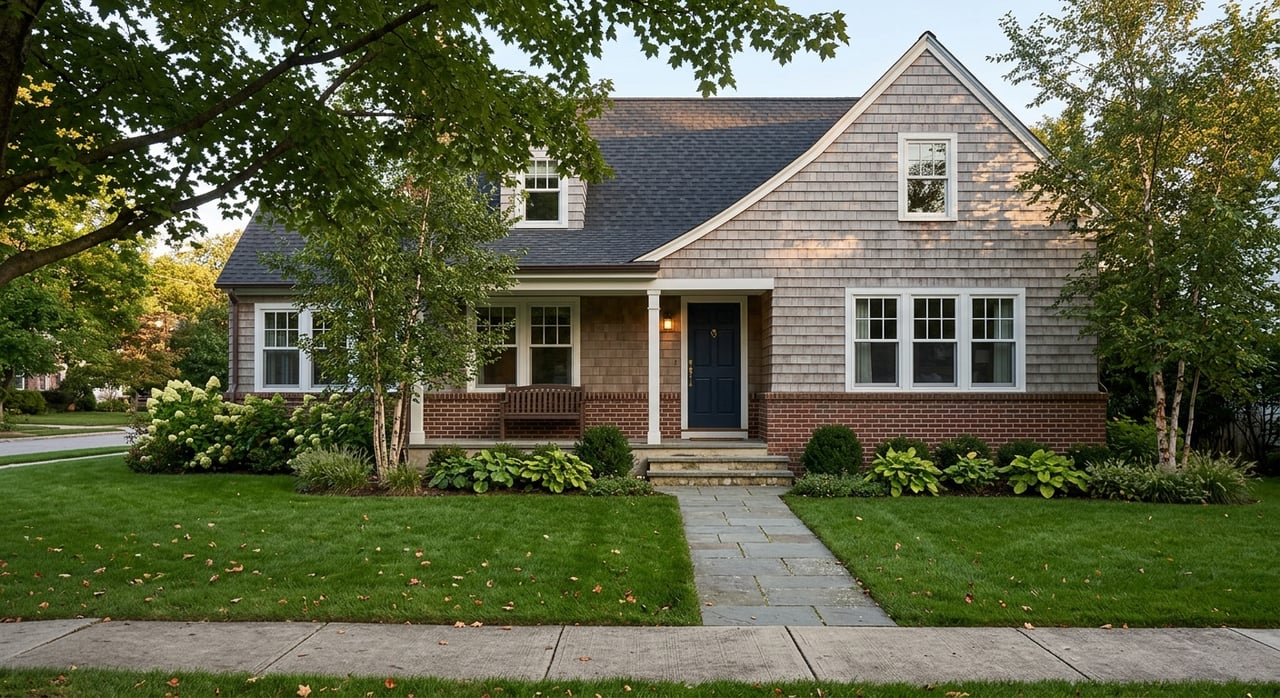
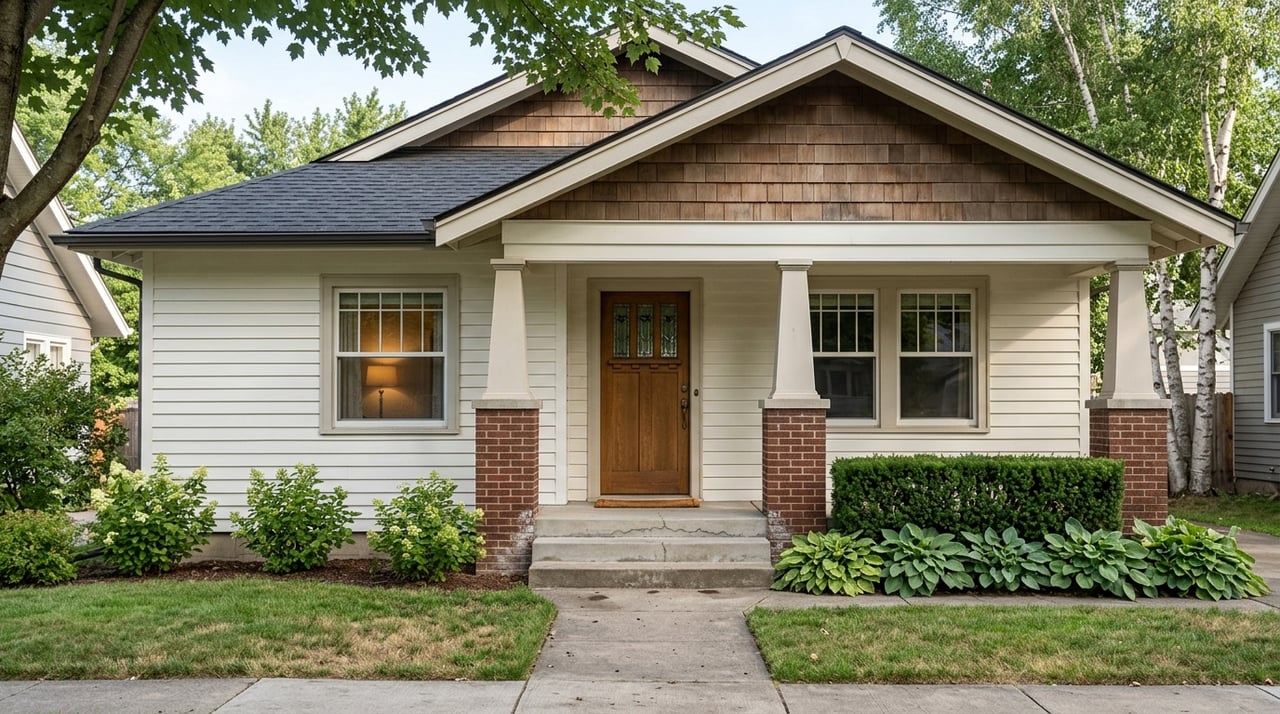
Craftsman bungalows are some of the most recognizable homes in Linden Hills. Local history resources and the City of Minneapolis both identify Craftsman as a common style in the neighborhood, especially for middle-income homes built in the early 1900s. Typical features include low-pitched roofs, wide eaves, exposed rafter tails, and natural materials.
For many buyers, the appeal is easy to understand. These homes often offer inviting front porches, warm woodwork, and a comfortable scale that feels practical without feeling plain. They also tend to deliver strong curb appeal in a way that still feels timeless.
From a resale standpoint, the strongest bungalows usually balance charm with smart updates. Buyers often respond well when original details remain visible, but kitchens, baths, and mechanical systems have been improved for modern daily life. In Linden Hills, that blend of preservation and function can be a major advantage.
When you walk through a well-kept bungalow, the details tend to do the work. Built-ins, trim, hardwood floors, and porch spaces often create a feeling that newer homes sometimes need to work harder to replicate.
That said, floor plans can feel more defined than open. If you want a fully open-concept layout, it is worth looking closely at how a home has been updated and whether any changes feel natural to the original design.
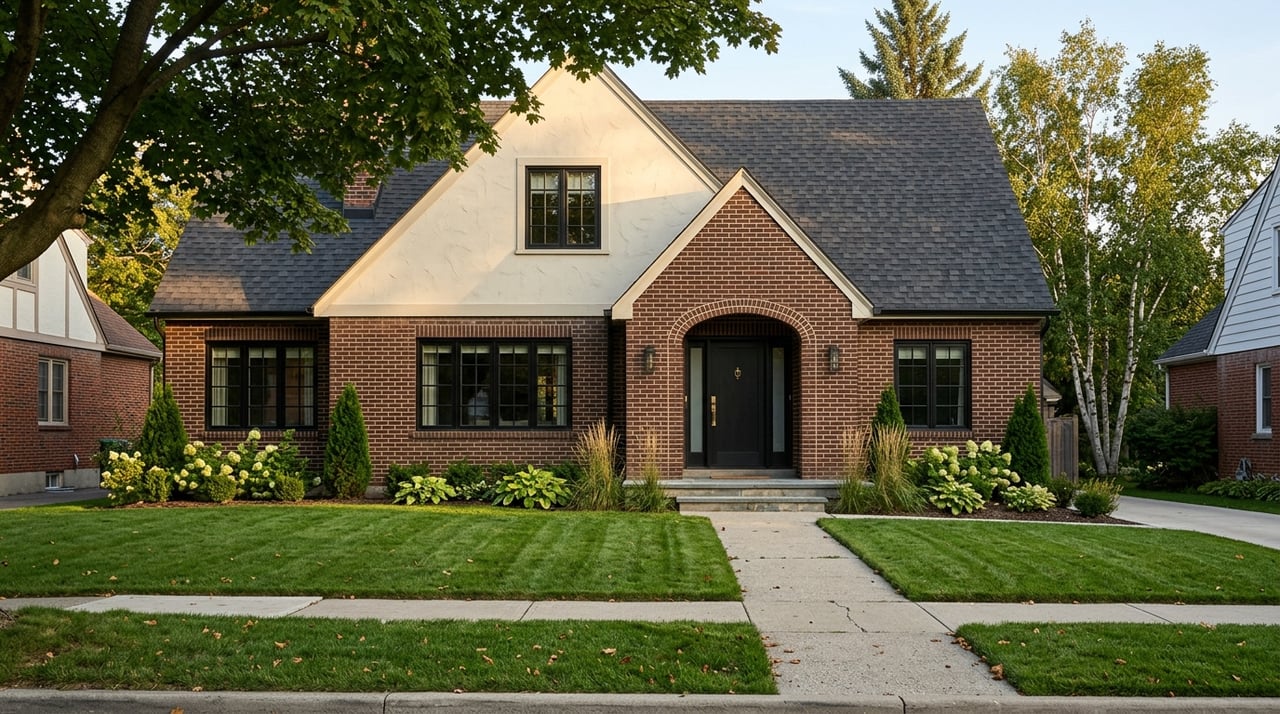
Tudor Revival is another important part of the Linden Hills architectural mix. The City of Minneapolis identifies the Linden Hills Library as Tudor Revival, and local history also documents a 1913 Tudor Revival house in the neighborhood. These homes are often associated with steep gables, half-timbering, and brick or stucco exteriors.
Tudors tend to offer a different mood than bungalows. They often feel more dramatic, more enclosed, and more formal in their room layout. For some buyers, that is exactly the draw.
If you love architectural character, a Tudor can be especially compelling. These homes often have rich exterior presence and cozy interiors that feel distinct from modern open-plan construction. For resale, condition and updates still matter, but strong original character can be a major asset.
A good Tudor often makes an impression before you even step inside. Rooflines, masonry, and detailing can give the home a strong sense of identity.
Inside, the tradeoff is usually layout. If you prefer defined rooms, separation of space, and a more traditional feel, Tudor homes may fit you well. If you want wide-open sight lines, you may need to be more selective about which renovated versions you consider.
Some of Linden Hills’ earliest housing includes cottages and small vernacular homes. The Chadwick Cottages, which date to 1902, are one landmark example, and local history notes that modest Cottage City homes were built for working-class families on small lots. Screened porches and later additions are also part of that story.
These homes can be especially appealing if you want historic character on a smaller scale. They often feel personal, efficient, and closely tied to the neighborhood’s earliest development. In the right setting, that can be a real value driver.
At the same time, smaller early homes deserve a careful look. Because many evolved over time, additions and changes can vary widely in quality and cohesion. If you are buying, it helps to look beyond charm and consider how well the home’s updates fit the original structure.
Linden Hills is not only a bungalow-and-cottage neighborhood. The area also includes larger and more formal period homes, including Colonial Revival, Mediterranean Revival, and other classic styles. Examples cited in recent listings and city records show that the neighborhood’s architecture is broader than many buyers first assume.
These homes often attract buyers who want more scale, symmetry, and a stronger sense of presence. They may also offer more flexibility for later additions or expanded living space, depending on the lot and existing layout.
For sellers, these homes can stand out when updates respect the original proportions and design language. For buyers, they can offer a nice middle ground between historic character and room to grow.
While historic homes shape the identity of Linden Hills, newer construction is part of the market too. In July 2026, Redfin’s new-homes page showed 4 new homes for sale in Linden Hills, with examples priced from about $1.395 million to $2.23 million. These listings featured open plans, higher-end finishes, elevators, and rooftop decks.
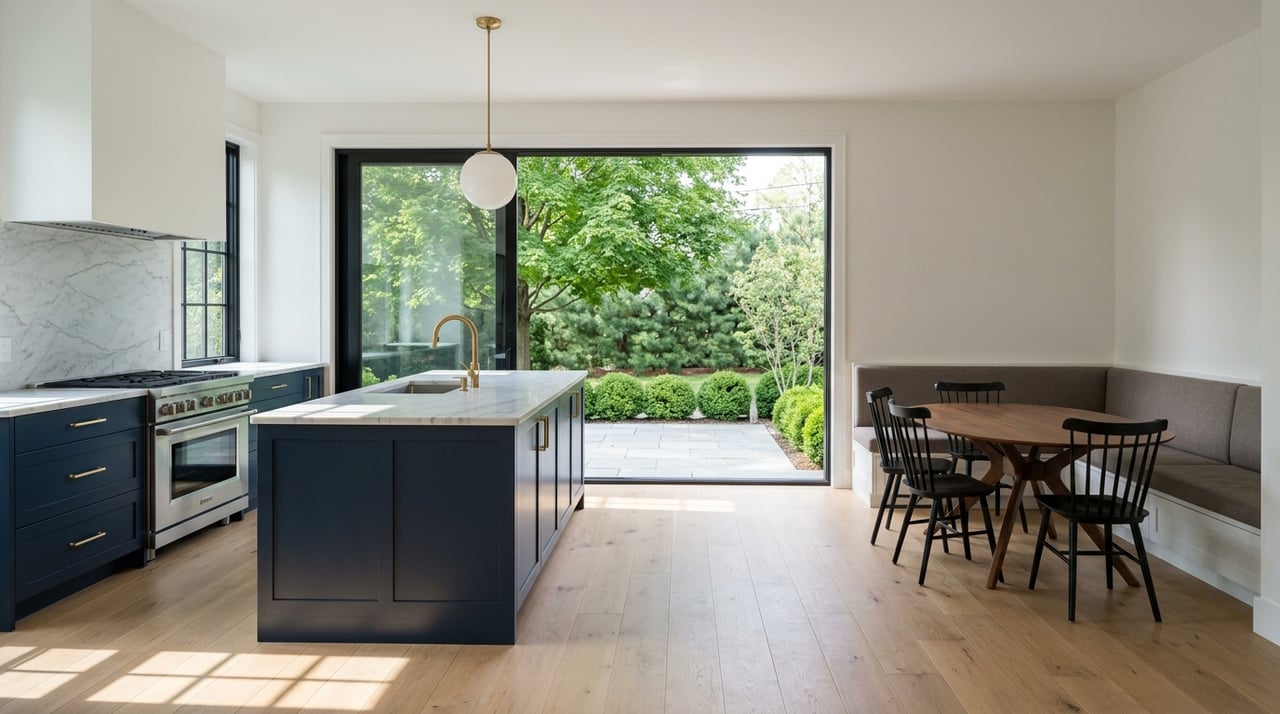
For some buyers, newer homes solve the biggest pain points that can come with older housing. They often offer turnkey living, less immediate maintenance, and layouts designed around current preferences. If convenience is a top priority, that can be very appealing.
Still, newer construction tends to compete on different strengths. Finish quality, site, design, and functionality usually matter more than historic charm. In Linden Hills, that means modern homes are part of the story, but they are not the whole story.
Linden Hills sits in a high-value range within Minneapolis. Zillow’s home value index placed the neighborhood average at $680,627 as of May 31, 2026. Redfin reported a median sale price of $759,744 over the prior three months ending in May 2026, while Minneapolis Area REALTORS’ April 2026 local update showed a median sales price of $760,000 and a rolling 12-month median of $676,000.
Inventory also appears relatively tight. Zillow showed 40 homes for sale and 17 new listings as of May 31, 2026. In a neighborhood with limited supply and strong identity, style can absolutely influence buyer interest.
But architecture does not work in isolation. The City of Minneapolis notes that market values vary by neighborhood, size, and style, and they also shift with market conditions, interest rates, and supply and demand. In practical terms, layout, condition, and renovation quality often matter just as much as the style label itself.
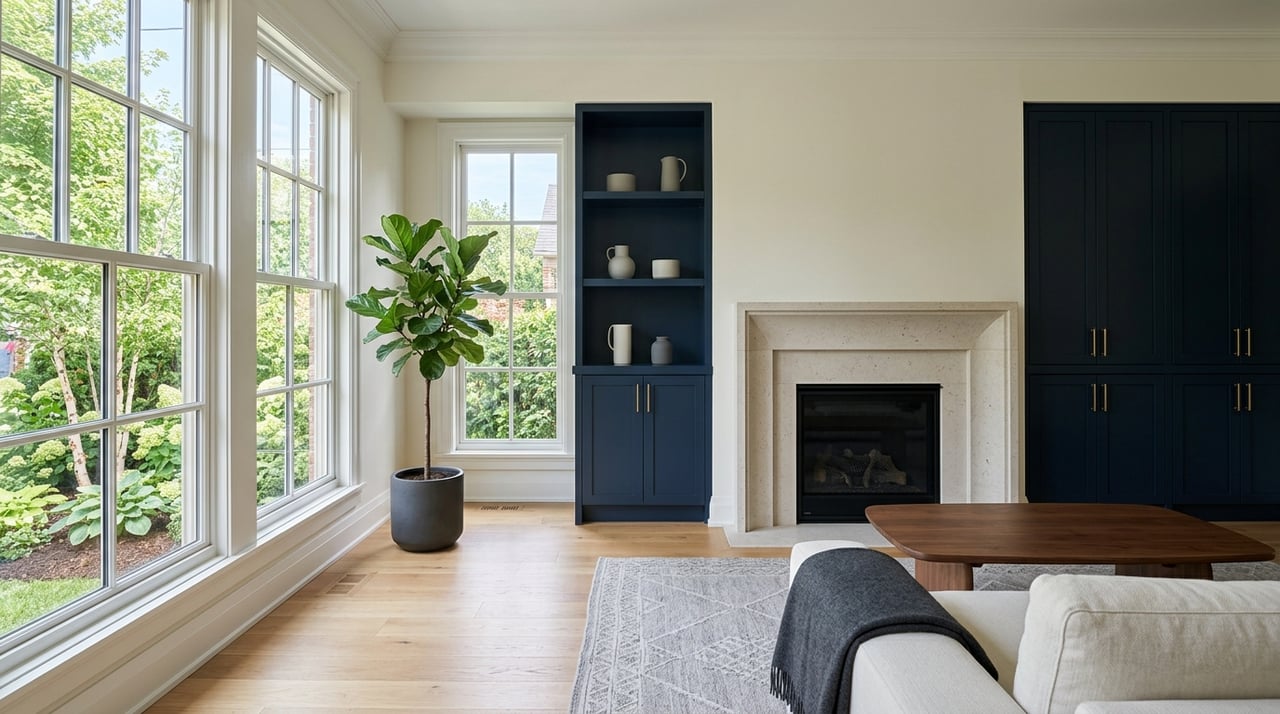
In Linden Hills, well-renovated character homes can compete very effectively with newer construction. Recent listings have highlighted original woodwork, stained glass, refinished hardwoods, updated kitchens, bonus rooms, and modern systems.
That is a useful clue for both buyers and sellers. The homes that tend to stand out are often the ones that preserve their best original features while solving everyday livability issues in a clean, thoughtful way.
If you are thinking about updates, it is important to understand the local rules. Minneapolis requires approval before altering a historic landmark or a property in a historic district. The city’s standards emphasize preserving distinctive materials, repairing rather than replacing historic features when possible, and keeping additions compatible in scale, massing, and materials.
That is especially relevant in Linden Hills because several neighborhood properties are designated landmarks. These include the Chadwick Cottages, Linden Hills Library, Linden Hills Methodist Episcopal Church, Fire Station 28, and the Como-Harriet Streetcar Line.
For buyers, this does not mean you should avoid older homes. It means you should understand whether a specific property has historic designation and how that may affect exterior work. For sellers, it reinforces the value of updates that improve comfort and function without stripping away the details that make the home distinctive.
If you are shopping in Linden Hills, architecture should be part of your decision, but not the only part. A beautiful exterior matters, but daily livability matters too.
A few priorities can help you stay grounded:
In a neighborhood with this much character, the right home is usually the one that balances emotional appeal with practical function.
If you own a Linden Hills home, your architecture is part of your marketing story. Buyers here often pay attention to design details, and strong presentation can help them understand not just what the home is, but why it matters.
That usually means highlighting original features, thoughtful updates, and the overall fit between the home and the neighborhood. A bungalow with preserved woodwork and a smart kitchen renovation tells a different story than a Tudor with rich exterior character and well-maintained systems. The key is not to oversell the style label, but to show how the home delivers both character and livability.
The best way to understand Linden Hills is to see it as a neighborhood where design character and resale logic overlap. Craftsman bungalows and Tudors create much of the area’s classic identity, cottages add historic depth, larger period homes broaden the mix, and newer construction gives buyers a more turnkey path.
That is why the neighborhood continues to hold such strong appeal. The highest-value homes are not always the biggest or the newest. More often, they are the homes that fit the neighborhood well, preserve their strongest original features, and make modern living feel seamless.
If you are considering a move in Linden Hills, understanding architecture is more than a design exercise. It is one of the clearest ways to evaluate lifestyle fit, renovation potential, and long-term value. When you want strategic guidance on buying or selling a distinctive home in Minneapolis, connect with Aaron Spiteri.
Stay up to date on the latest real estate trends.
Real estate has never been more competitive and in a market where every dollar matters, so does the professional you choose to represent you. You deserve more than an agent. You deserve a trusted and experienced advisor, a dedicated advocate, someone who understands the market, anticipates opportunities, and protects your interests at every stage of the process. My commitment is simple: to negotiate strategically, guide you with confidence, and fight tirelessly for every last dollar on your behalf. Whether buying or selling, I am committed to delivering an exceptional experience and the strongest possible result. Proudly ranked the #1 solo agent at Lakes Sotheby’s International Realty for total sales volume in 2025.