In Edina, 'Old House' Means Two Completely Different Transactions
August 13, 2026
August 13, 2026
Drive down Edina Boulevard and then over to Halifax Avenue, and you will pass two houses built within a few years of each other, both showing their age in the same honest ways: original windows, a boiler that has outlived several owners, plaster walls that have never seen a stud finder. One of those houses cannot legally be torn down without the city's sign-off. The other one might already have a demolition permit posted in the yard.
That is not a difference in condition. It is a difference in which side of an invisible line the house happens to sit on, and it changes almost everything about how that house should be priced, inspected, and sold.
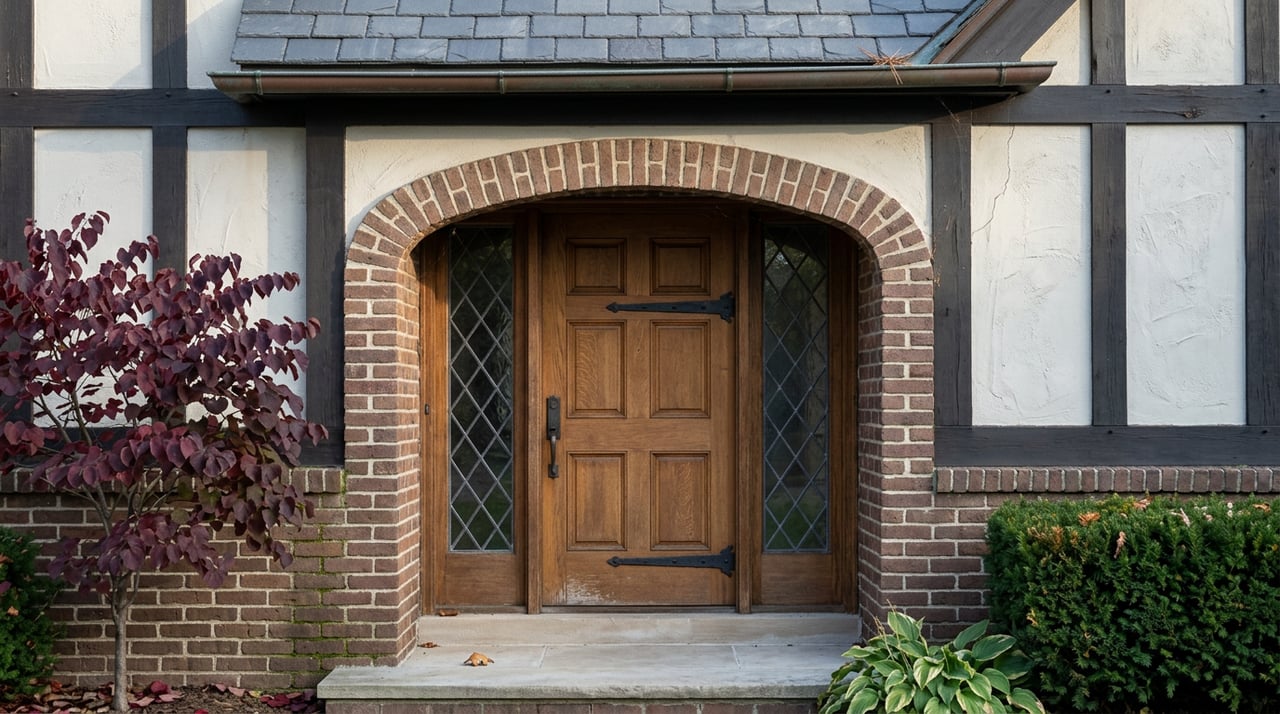
The Country Club District is a 14-block neighborhood bounded by Minnehaha Creek to the west, Sunnyside Road to the north, Arden Avenue to the east, and West 50th Street to the south, holding roughly 555 homes. Thorpe Brothers Realty Company platted it in 1924, and in 1925 the Minneapolis architecture firm Liebenberg and Kaplan designed eight model homes along Edina Boulevard and Moorland Avenue in English Tudor, French Provincial, and American Colonial Revival styles, setting the pattern that the rest of the district followed. It has been on the National Register of Historic Places since 1980, and homes built between 1924 and 1944 are treated as heritage preservation resources under the city's own plan of treatment.
Practically, that means any demolition, new construction, or significant change to a street-facing facade inside the district requires a Certificate of Appropriateness from the city. You can repair a Country Club District home. You generally cannot replace it.
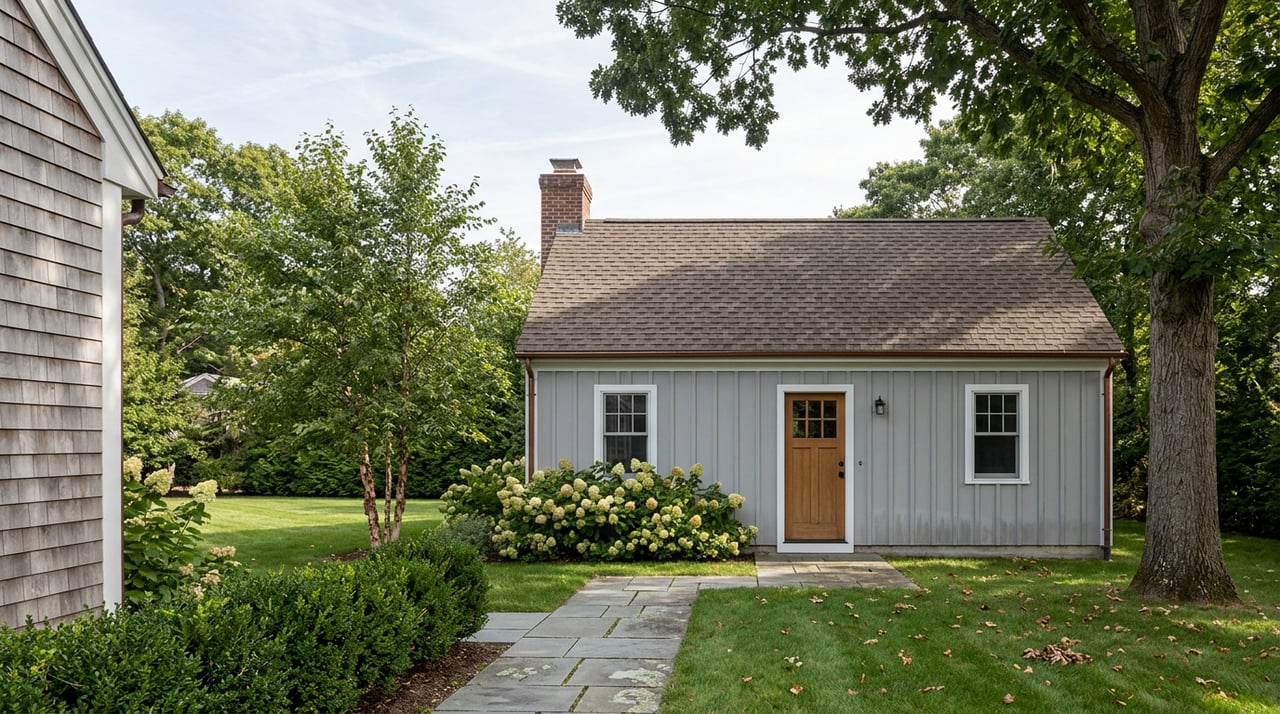
Step outside those four boundary streets, and none of that applies. Edina as a whole has one of the highest teardown-and-rebuild rates of any suburb in the Twin Cities, and the pattern has held for years: modest 1940s and 1950s Cape Cods and ramblers on desirable lots, purchased not for the house but for what can replace it. The city eventually had to formalize a Construction Management Plan just to manage the disruption that level of rebuilding creates for neighbors, covering everything from construction hours to where crews can park.
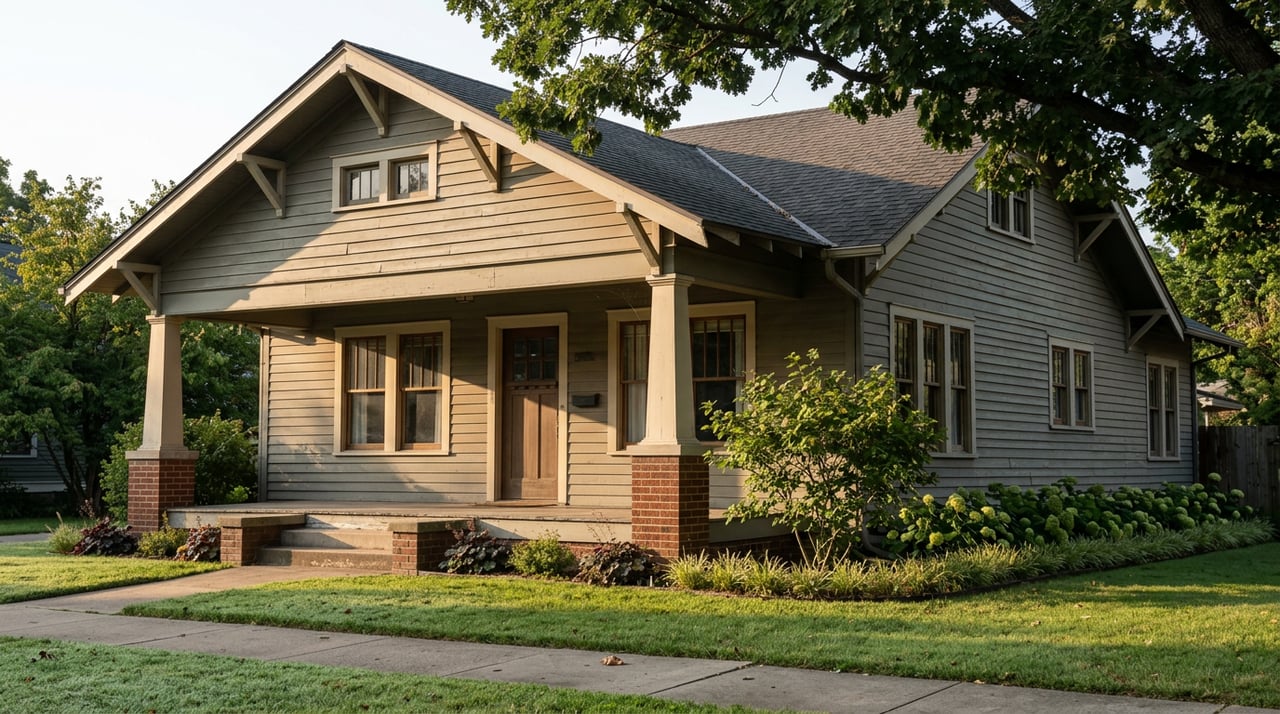
Here, age is the asset. A 1928 Tudor's value sits largely in the fact that it is an intact, original example of a protected style, and the city's own review process exists precisely to keep it that way. Buyers here are not comparing the house to a hypothetical new build on the same lot, because that comparison is not legally available to them.
Here, age is frequently a liability the market is pricing around. A 1955 rambler on a generous lot is often valued closer to what the land will support once cleared than to what the existing structure is worth as a livable home. As one national home-building economist put it while discussing this exact pattern in Edina, "the houses that are going out are shabbier, the houses that are going in are nicer." That is the entire logic of a teardown market in one sentence, and it is the logic a majority of older Edina listings are actually operating under, whether the seller has framed it that way or not.
Even within that non-historic majority of the city, Edina is not one uniform market. The stretch west of Highway 100 runs smaller, closer-in lots near the 50th and France retail district, while the area east of the highway opens into larger parcels and a more spread-out street character. A rebuild economics conversation on a narrow west-side lot is not the same conversation as one on an east-side half-acre.
If you are buying or selling inside the Country Club District, Morningside, or the nearby Baird and Grimes neighborhoods, the pre-1950 building era shows up in specific, recurring findings. Active knob-and-tube wiring behind plaster walls is still common enough that most insurance carriers either decline to write a policy around it or price the premium accordingly, which means a buyer's financing and insurance timeline can hinge on an electrical answer the seller may not have had reason to investigate before listing.
If you are buying or selling in the teardown-eligible parts of the city, that same wiring question often matters less than the condition of what is under the lawn, because the sale price is already built around the land. But some findings cross both markets regardless of which house you are in. Hennepin County sits in the EPA's Zone 1 for radon, and older, tightly sealed basements in Edina frequently test at or above the federal action threshold. Sewer laterals installed before 1980 were typically clay tile or cast iron, and the mature trees that line streets on both sides of that historic boundary, including the Minnehaha Creek corridor the Country Club District borders, mean root intrusion and bellied pipe are a routine finding rather than a rare one. Electrical panels from before 1980, including Federal Pacific and Zinsco brands, and undersized 100-amp service in homes built before 1965, show up across the whole city, not just inside the protected district.
A standard inspection will not catch most of the items above, because sewer laterals, radon, and buried service lines fall outside a typical visual inspection's scope. Before you sign a purchase agreement or accept an offer on an older Edina home, the add-ons worth budgeting for are:
This is where the two Edinas collide in the numbers everyone quotes casually. As of February 2026, Redfin reported Edina's median sale price at $788,000, up 25 percent year over year, with homes taking an average of 75 days to sell. By this spring, Zillow's home value index put the market at an average of $605,433, up just 0.8 percent over the year, with homes going to pending in around 16 days.
Those are not two disagreeing measurements of the same thing. They are two different slices of a city where a meaningful share of closed sales are new construction on former teardown lots, priced in the $800,000 to $1.5 million range as recorded during the peak of Edina's rebuild activity, sitting alongside a much larger, faster-moving pool of ordinary resales. When new-construction rebuilds make up a growing share of what closes in a given month, they pull a sales-price median upward and stretch out the reported average days on market for that price tier, while the bulk of everyday Edina turnover, including sales inside the protected historic district, continues to move at its own faster pace. The headline number is real. It just is not describing one market. It is describing an average of two markets that operate under different rules, and knowing which one your house belongs to is the difference between pricing it correctly and guessing.
Only in narrow circumstances. The city's review process requires a Certificate of Appropriateness for demolition of a principal dwelling or garage within the district, and the district's own preservation framework is built around keeping the 1924 to 1944 housing stock intact.
Not automatically, but it changes the timeline. Because many insurers won't cover a home with active knob-and-tube circuits, or will only do so at a higher premium, a buyer's insurance quote can become a contingency in its own right, separate from the general inspection.
Yes, if the lateral predates 1980 or the lot has mature trees. A standard inspection does not run a camera down the sewer line, and clay tile and cast iron of that age are exactly where root intrusion and bellied sections tend to show up.
An older Edina home is never just an older Edina home. It is either a protected piece of the Country Club District's 1920s planning, or it is a candidate in one of the most active teardown markets in the Twin Cities, and the paperwork, financing questions, and price logic are different depending on which one you are standing in. If you are trying to figure out which side of that line your address falls on, and what that means for your inspection list or your asking price, Aaron Spiteri can walk through it with you. Let's Connect.
Stay up to date on the latest real estate trends.

Real estate has never been more competitive and in a market where every dollar matters, so does the professional you choose to represent you. You deserve more than an agent. You deserve a trusted and experienced advisor, a dedicated advocate, someone who understands the market, anticipates opportunities, and protects your interests at every stage of the process. My commitment is simple: to negotiate strategically, guide you with confidence, and fight tirelessly for every last dollar on your behalf. Whether buying or selling, I am committed to delivering an exceptional experience and the strongest possible result. Proudly ranked the #1 solo agent at Lakes Sotheby’s International Realty for total sales volume in 2025.