Truth in Housing in Linden Hills Minneapolis Before You List
August 20, 2026
August 20, 2026
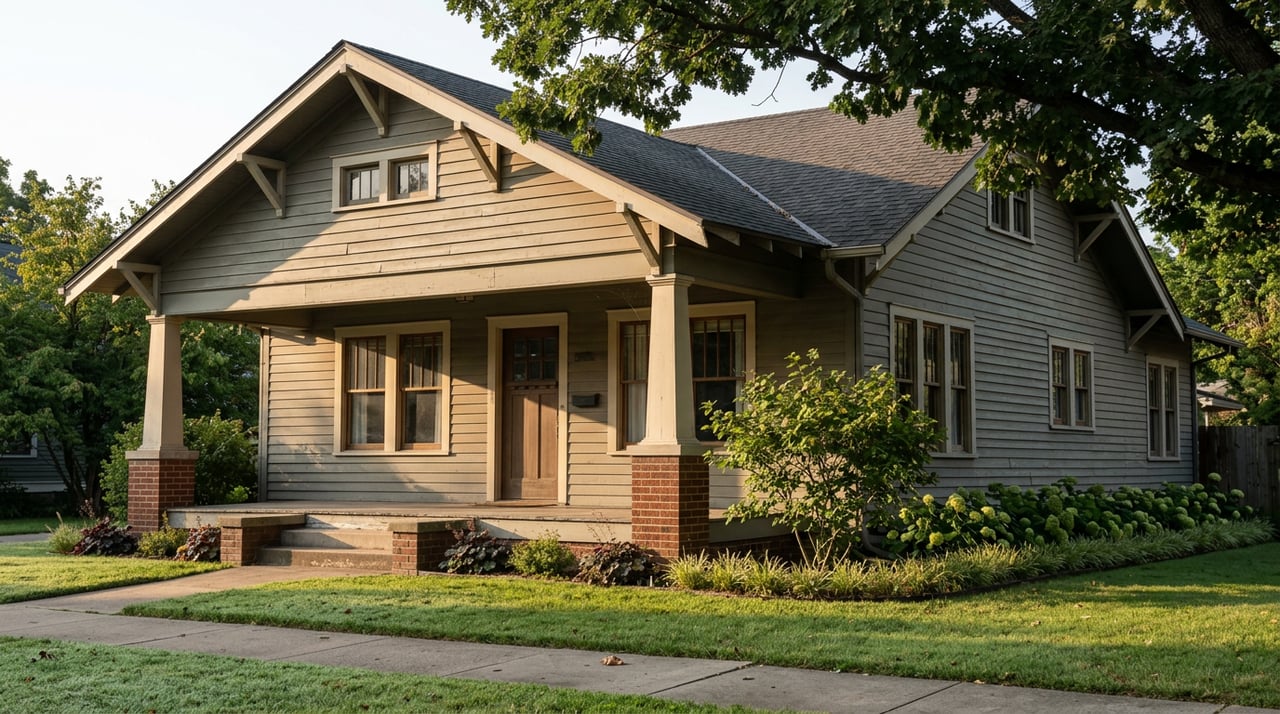
A homeowner near 43rd and Upton decides it's time to sell. She calls a photographer, orders a lockbox, maybe starts thinking about paint colors for the front door. Then a stranger with a clipboard shows up before any of that matters, walks through her 1924 Craftsman bungalow, and hands her a list of required repairs before a single buyer has set foot inside.
This is not a home inspection ordered by a nervous buyer after an accepted offer. It is a mandatory city evaluation that Minneapolis requires before the house can even be shown. Anyone who has sold a home in Edina, Wayzata, or most of the west metro has never encountered this step, because those cities don't require it. In Minneapolis, it is the law, and in a neighborhood like Linden Hills, where the housing stock skews decades older than the city average, it is rarely a formality.
That timing difference is the thing worth understanding before you list. The negotiation over an old Linden Hills house doesn't start when an offer comes in. It starts weeks earlier, in a walkthrough most sellers don't know to prepare for.
In most Twin Cities transactions, the order of operations is familiar: list the house, accept an offer, then the buyer's inspector finds whatever they find, and the parties negotiate from there. Minneapolis flips the sequence. The city requires a licensed Truth in Sale of Housing evaluation, known locally as a TISH, before a single-family home, duplex, or townhouse can be shown to buyers at all. The evaluation has to happen within three days of listing the property for sale, and the report is filed with the city so both the seller and any prospective buyer can see it.
The report stays valid for two years or one sale, whichever comes first, according to the city's own guidance. It is not a substitute for the private inspection a buyer will still order later. It is a separate, mandatory disclosure step that exists specifically because Minneapolis wants known health and safety issues on the table before a house is marketed, not after.
For a seller who has only ever transacted in a suburb without this requirement, that alone reorders the calendar. The evaluator has to be scheduled, the walkthrough has to happen, and if anything comes back flagged, there's a decision to make before the for sale sign goes up, not after a showing.
The TISH evaluation is a fixed process wherever it applies in the city. What varies is what it tends to find, and that comes down to the age of the house.
Linden Hills' housing stock is dominated by homes built in the 1910s through the 1930s: Craftsman bungalows as the signature style, alongside Tudor cottages, stucco two-stories, and Colonial Revivals from the same streetcar-era building boom that shaped the neighborhood's commercial node at 43rd and Upton. A century-old plumbing stack, a gas line capped decades ago by a previous owner, or a laundry sillcock installed before vacuum breakers were standard code are not unusual finds in a house this age. They are exactly the kind of items a TISH evaluation is built to catch.
The city's own list of commonly required repairs includes things like missing high loops on dishwasher drains, uncapped or improperly connected gas lines, toilet fill valves that aren't anti-siphon models, and exterior or laundry faucets that need a vacuum breaker if a garden hose can be attached. None of these are dramatic. Most are inexpensive to fix. But they are the kind of small, code-driven details that accumulate in a house that has been lived in, renovated piecemeal, and passed through several owners over a hundred years, which describes a large share of the homes in this neighborhood.
A newer-construction home a few blocks over, built in the last decade where a teardown replaced an older bungalow, is far less likely to trip any of these items. The evaluation is the same. The odds of walking away clean are not.
| Step | Suburban sale without TISH | Minneapolis sale with TISH |
|---|---|---|
| Before listing | Photos, staging, pricing | Photos, staging, pricing, plus a licensed TISH evaluation scheduled within 3 days of listing |
| Before first showing | House can be shown once listed | House cannot be shown until the evaluation is complete |
| If issues are found | Surface later, during buyer's private inspection | Surface before marketing begins, filed with the city |
| Report validity | N/A | Valid for 2 years or one sale |
| If repairs aren't finished by closing | Negotiated case by case | Buyer signs an Acknowledgement of Responsibility and has 90 days from closing to complete them |
The middle rows are where sellers get caught off guard. A homeowner who assumes she can list on a Friday and start showings that weekend may find the calendar pushed by the time it takes to schedule and complete the evaluation, especially if anything on the list needs a licensed trade before it can be signed off.
A seller doesn't have to fix everything the evaluator flags before closing. Minneapolis allows the sale to proceed with the required repairs unresolved, but the buyer has to formally accept that responsibility. That means signing an Acknowledgement of Responsibility form, which the buyer, the buyer's agent, and the closer are jointly required to file with the city within one day of closing. From there, the buyer has 90 days to complete the required repairs and, where a permit is needed, get the work re-inspected by a city inspector rather than the original TISH evaluator.
This is not a hidden loophole. It is a built-in path for selling a house as is while still meeting the disclosure requirement. But it does shift real cost and real deadline pressure onto the buyer's first three months of ownership, which is worth naming plainly during negotiations rather than discovering after the fact.
As of August 2026, the median sale price in Linden Hills sits around $687,500, with the average closer to $791,000, and homes are moving in roughly 34 days on average. That is a fast market for a neighborhood where the typical house predates the interstate highway system. Fast markets punish delay. A listing that slips a week because a gas line needed a licensed re-inspection is a week where the house isn't in front of the buyer pool that's already circling this corner of the city.
The sellers who handle this well tend to do one thing differently: they ask their agent to walk the house with an eye toward the common TISH repair categories before the evaluator ever arrives. Checking that laundry and exterior faucets have vacuum breakers, that the dishwasher drain has a visible high loop, that no gas line is sitting open, costs an afternoon. Discovering those same items on a filed city report, after the sign is already in the yard, costs days you don't get back in a 34-day market.
Does every home in Linden Hills need a TISH evaluation? Single-family homes, duplexes, and townhouses being sold in Minneapolis need one. Existing condos generally do not, though first-time condo conversions do.
Can I sell the house without fixing anything the evaluator flags? Yes. You can sell as is, but the buyer has to sign the Acknowledgement of Responsibility and complete the required repairs within 90 days of closing.
Does a private home inspector replace the TISH evaluation? No. The two serve different purposes. The TISH evaluation is a condensed, city-regulated disclosure check focused on required repair items. A buyer's private inspection is a broader, unregulated look at the home's overall condition and is not required by the city at all.
The Truth in Housing requirement is not a reason to worry about selling a Linden Hills bungalow. It's a reason to start the process a little earlier than a suburban sale would require, and to walk the house with the specific categories this evaluation checks in mind. Most of what it finds in a home this age is minor and fixable in an afternoon. What isn't fixable after the fact is the week of showings you lose if nobody looked before the evaluator did.
If you're weighing a Linden Hills sale and want a clear-eyed read on your specific house before it ever meets an evaluator, Aaron Spiteri has walked enough of this neighborhood's century-old bungalows to know exactly where to look first. Let's Connect.
Stay up to date on the latest real estate trends.





Real estate has never been more competitive and in a market where every dollar matters, so does the professional you choose to represent you. You deserve more than an agent. You deserve a trusted and experienced advisor, a dedicated advocate, someone who understands the market, anticipates opportunities, and protects your interests at every stage of the process. My commitment is simple: to negotiate strategically, guide you with confidence, and fight tirelessly for every last dollar on your behalf. Whether buying or selling, I am committed to delivering an exceptional experience and the strongest possible result. Proudly ranked the #1 solo agent at Lakes Sotheby’s International Realty for total sales volume in 2025.